Weather forecasting isn't just about looking at clouds from your kitchen window. Behind every extreme weather warning, flash flood alert, and heatwave projection lies a massive, invisible machinery of global ocean observation. When the UK government confirmed it was jumping back into European ocean intelligence structures through the EU-led OceanEye initiative, it signaled a massive shift in how Britain handles environmental data.
The timing isn't accidental. With a severe El Niño cycle gathering momentum, climate scientists are racing to upgrade their models before erratic weather patterns wreak havoc on infrastructure, supply chains, and agriculture. If you've been wondering why governments are suddenly throwing millions at marine monitoring systems, you have to look at what happens when the Pacific Ocean sneezes and the rest of the world catches a cold.
The Reality Behind OceanEye and Global Data Gaps
For years, post-Brexit administrative walls created frustrating blind spots in marine research. Environmental agencies across the English Channel and the North Sea were sharing fragmented information while trying to tackle a crisis that doesn't respect political borders. OceanEye changes that dynamic by pooling satellite feeds, deep-sea sensors, and coastal monitoring stations to build a near-real-time digital model of the world's oceans.
The primary vulnerability right now isn't a lack of interest; it's funding instability and severe data gaps in deep ocean and polar regions. Traditional observation networks like the Global Ocean Observing System process roughly 120,000 daily measurements globally, yet critical sections remain underfunded. By plugging back into these collaborative frameworks, the UK isn't just offering charity. Britain's long-running domestic observation systems feed vital continuity into a European network that desperately needs high-latitude data to track how rapidly the seas are warming.
Why El Niño Forces Everyone to Work Together
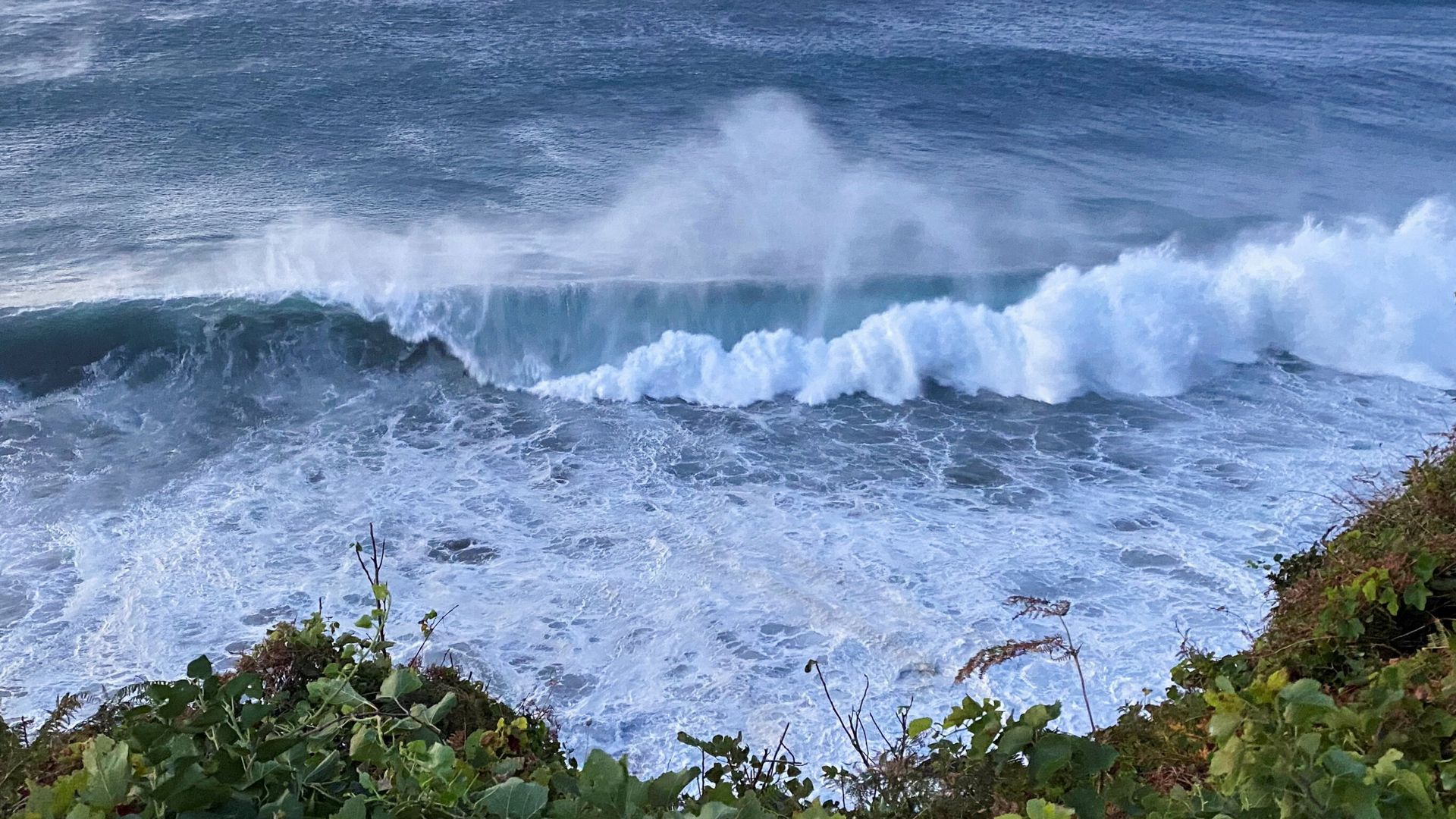
El Niño isn't a local weather blip. It's a massive climate driver characterized by the warming of sea surface temperatures in the equatorial Pacific. When a strong event takes hold, it shifts jet streams, triggers prolonged droughts, supercharges wildfires, and alters global rainfall distribution.
While the UK weather is heavily buffered by the North Atlantic, indirect impacts hit hard through global supply chains, fluctuating energy markets, and shifting agricultural yields. When food prices spike or shipping lanes face disruptions due to extreme weather in exporting nations, the average household feels the pinch. Better ocean tracking gives modellers the weeks of lead time necessary to anticipate these shocks. Without accurate real-time data from deep-water sensors, forecasters are basically flying blind against a backdrop of record-breaking ocean heat.
Practical Steps for Resilience
Waiting for national governments to sort out climate policy won't protect your local community or business from the fallout of extreme weather cycles. If you manage supply chains, logistics, or agricultural investments, you need to adapt your planning to factor in higher volatility.
- Diversify supply networks: Don't rely on single-region agricultural or manufacturing partners that are vulnerable to recurring droughts or flooding.
- Monitor energy forecasts closely: Extreme winter shifts driven by oceanic anomalies can trigger sudden surges in liquefied natural gas demand and electricity prices.
- Track open scientific data: Use public portals provided by meteorological offices to stay ahead of short-term extreme weather alerts rather than waiting for disruptions to hit mainstream news.
Data sharing remains our strongest defense against an increasingly volatile climate. Expect to see more cross-border scientific alliances form as extreme weather forces countries to drop political silos and look at the bigger picture.