Spending money is the American sporting superpower. We build billion-dollar stadiums, fund sprawling youth academies, and monetize youth sports like nobody else on earth. The 2026 World Cup on home soil is projected to pull in over $17 billion in domestic economic impact.
But money cannot buy a World Cup trophy.
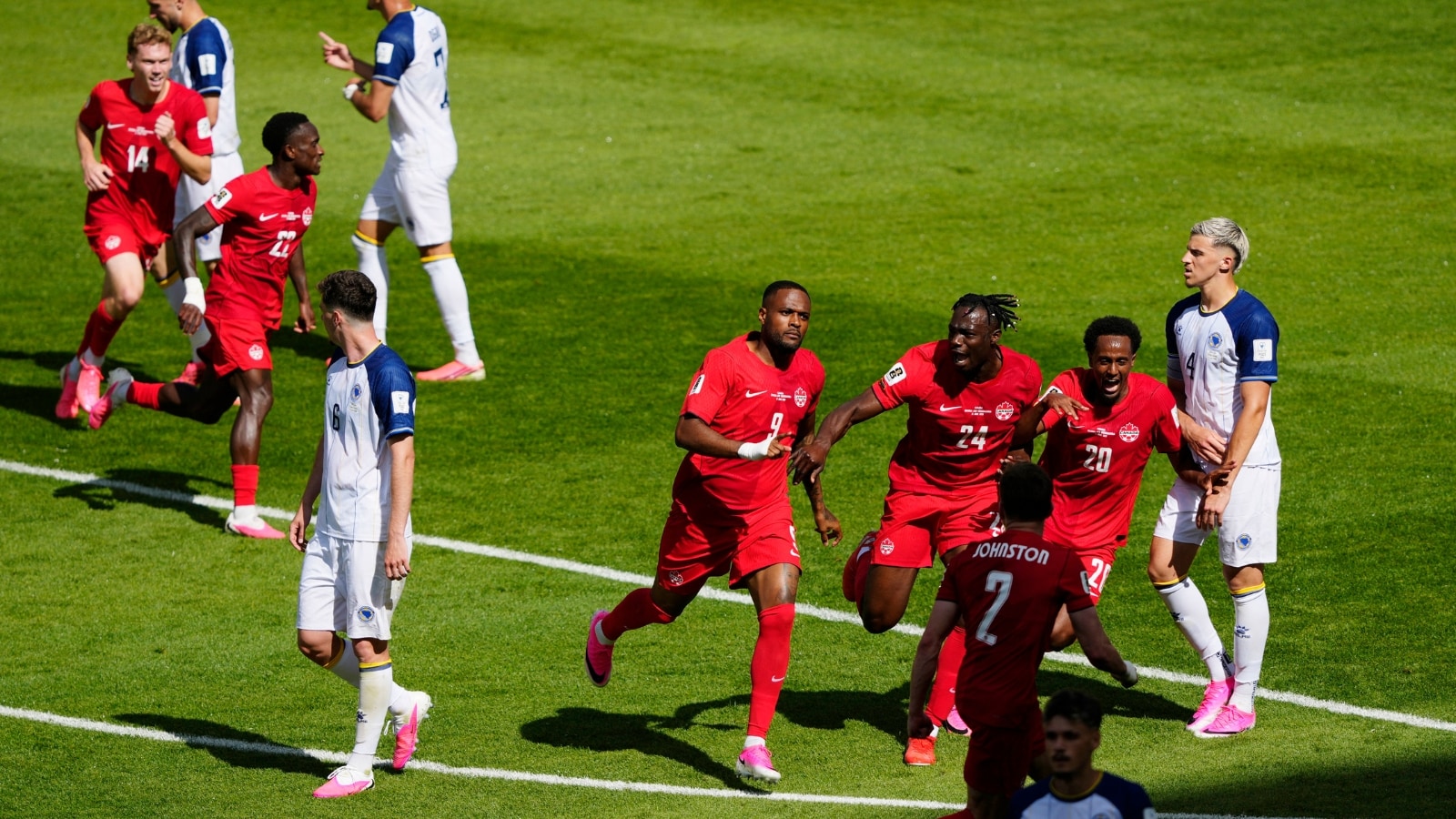
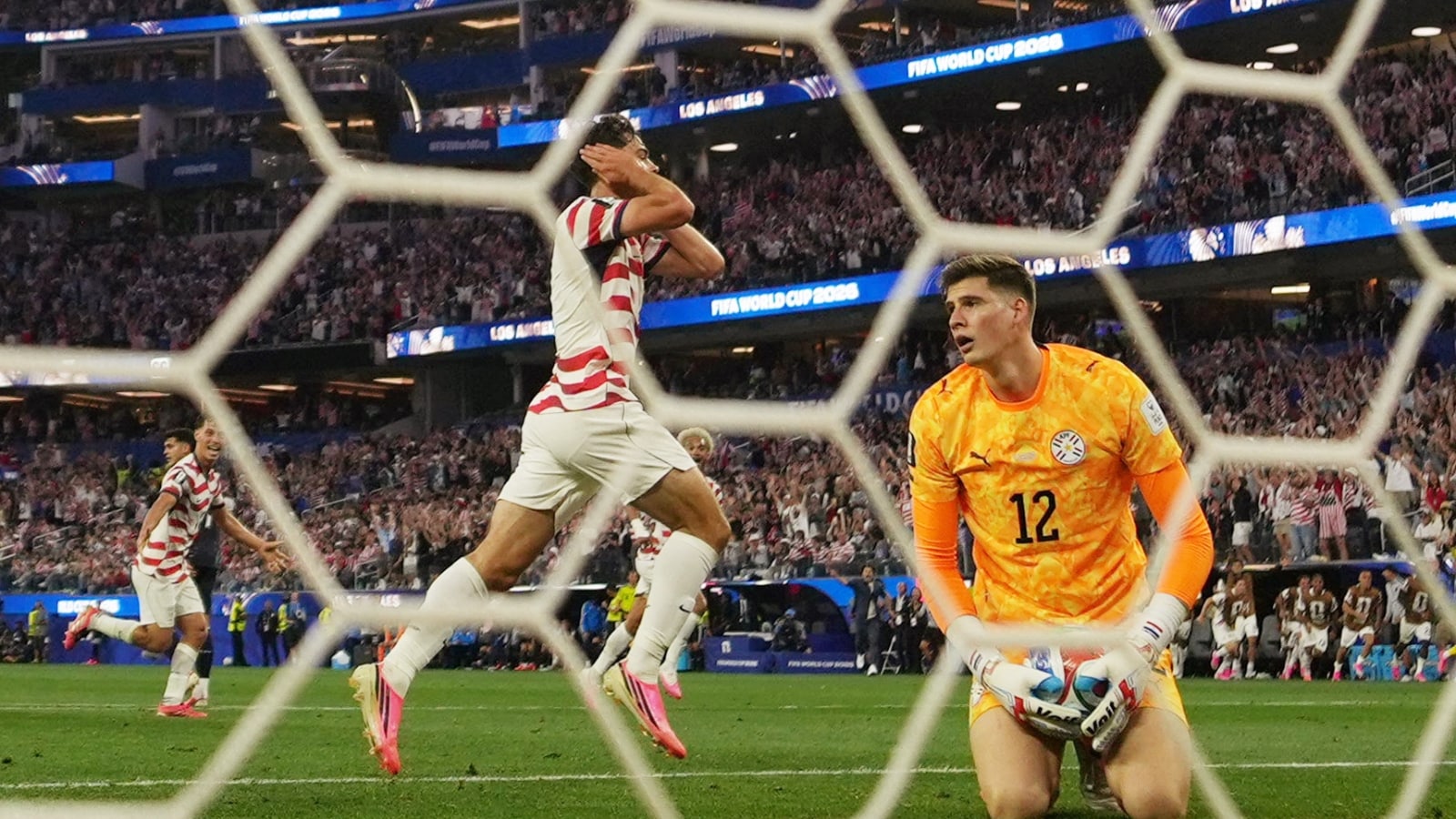
The United States Men's National Team started this tournament with plenty of style, securing a convincing 4-1 opening win that got everyone talking. It felt like a statement. Christian Pulisic, Weston McKennie, and Tyler Adams look sharp, hungry, and entirely comfortable under the bright lights. Yet, the same old question hangs over the program. Can this team actually crash the gates of the global soccer elite?
Winning a group stage match against a weaker opponent is great. It keeps the casual fans happy. Honestly, though, it does not mean the USMNT belongs in the same breath as France, Brazil, or Argentina. The true test is not about style points in June. It is about whether this country can fix the fundamental flaws in how it develops soccer talent.
The Illusion of Progress and the Per Capita Problem
Everyone loves to talk about how far American soccer has come since the dark night in 2018 when the team failed to qualify for the World Cup after losing to Trinidad and Tobago. Since that disaster, Major League Soccer expanded to 30 clubs. Franchise valuations skyrocketed. The national team boasts a roster filled with players signed to prominent European clubs.
On paper, everything looks beautiful. In reality, the talent pipeline is broken.
Consider the cold, hard numbers. Spain produces players who compete in Europe's top five leagues at roughly 120 times the rate of the United States per capita. Croatia has a total population smaller than Brooklyn and Queens combined, yet they consistently develop more elite soccer talent than the entire US system. Senegal outpaces the US by about 40 times the player production rate per capita, despite having a fraction of the American GDP.
We have the athletes. We have the cash. What we lack is a system that allows the best players to actually play.
Pay to Play is Killing the American Dream
Go to any major city in Europe or South America, and the path to soccer stardom is simple. If you are good enough, a professional club puts you in their academy for free. They invest in you because your success helps their first team or leads to a massive transfer fee down the road. They monetize talent.
In America, we monetize participation.
The pay-to-play model remains the single biggest hurdle facing the sport in the US. Elite youth clubs often charge anywhere from $8,000 to $15,000 per year once you factor in club fees, travel, and tournament showcases. This makes soccer an exclusive country club sport instead of a working-class game.
Youth Soccer Financial Barriers:
- Annual Club Fees: $3,000 - $6,000
- Travel & Lodging: $2,000 - $5,000
- Equipment & Gear: $500 - $1,000
- Showcase Events:  $1,500 - $3,000
By keeping the sport behind a massive paywall, the US effectively prices out millions of kids from lower-income neighborhoods, particularly within Latino and Black communities where soccer passion runs deepest. We are fishing for talent in a swimming pool while nations like Brazil are fishing in the ocean. Until Major League Soccer and US Soccer fully subsidize elite youth development nationwide, the national team will always have a hard ceiling.
What Real Success Looks Like in 2026
It's easy to get caught up in the hype after a strong start. The American media machine is built to turn a spark into a wildfire. But what actually constitutes a successful tournament for this group?
For the true elite nations, anything less than holding the trophy at the end is a failure. For the minnows, just scoring a goal or stealing a point makes history. The USMNT sits in an uncomfortable middle ground.
Getting knocked out in the Round of 32 or the Round of 16—matching what happened at Qatar 2022—is no longer enough to claim progress. To prove they are moving toward the elite tier, this generation needs to exceed the modern high-water mark set back in 2002. They need a run to the quarter-finals or beyond.
They must beat a traditional powerhouse in a knockout game. Not in a friendly, not in a regional tournament, but in a do-or-die World Cup match. That is the line between being a trendy underdog and a legitimate threat.
The Missing Tactical Identity
Watch Argentina play, and you see an identity. Watch Spain, and you know exactly what they want to do with the ball. The USMNT still suffers from a tactical identity crisis.
Under pressure against top-tier European or South American opponents, the Americans frequently look frantic. They rely heavily on athleticism, pressing hard, and individual moments of brilliance from Pulisic or Folarin Balogun. When forced to break down a deeply organized, disciplined defense, the ideas dry up. When forced to absorb pressure against a team that controls the tempo, they bend until they break.
Fixing this requires more than just hiring a high-profile coach or changing formations. It requires a shared footballing philosophy that runs from the U-15 national teams all the way to the senior squad.
If you want to see if the US has made any real progress, stop watching the scoreboard when they play weaker teams. Watch how they manage the game when they don't have the ball against the best in the world. Look at their composure in transition. That is where the gap shows.
Stop Celebrating the Start and Demanded Results
The opening win was fun, but it is time to put away the confetti. The real tournament starts now, and the pressure is only going to intensify.
If you are tracking this team's journey, stop focusing on the marketing campaigns and the social media hype. Look closely at how the domestic infrastructure responds after the tournament ends. The immediate next steps for American soccer don't happen on the pitch; they happen in the boardrooms.
First, MLS franchises must expand their fully funded, free academy structures into markets outside their immediate metropolitan areas to scout underserved communities. Second, US Soccer needs to aggressively slash coaching education costs, which currently act as another financial barrier keeping talented local coaches out of the system.
Enjoy the flashy goals and the high-energy celebrations. But remember that joining the global elite takes more than a great game or a deep pocketbook. It takes a complete cultural overhaul of how the game is run from the ground up.