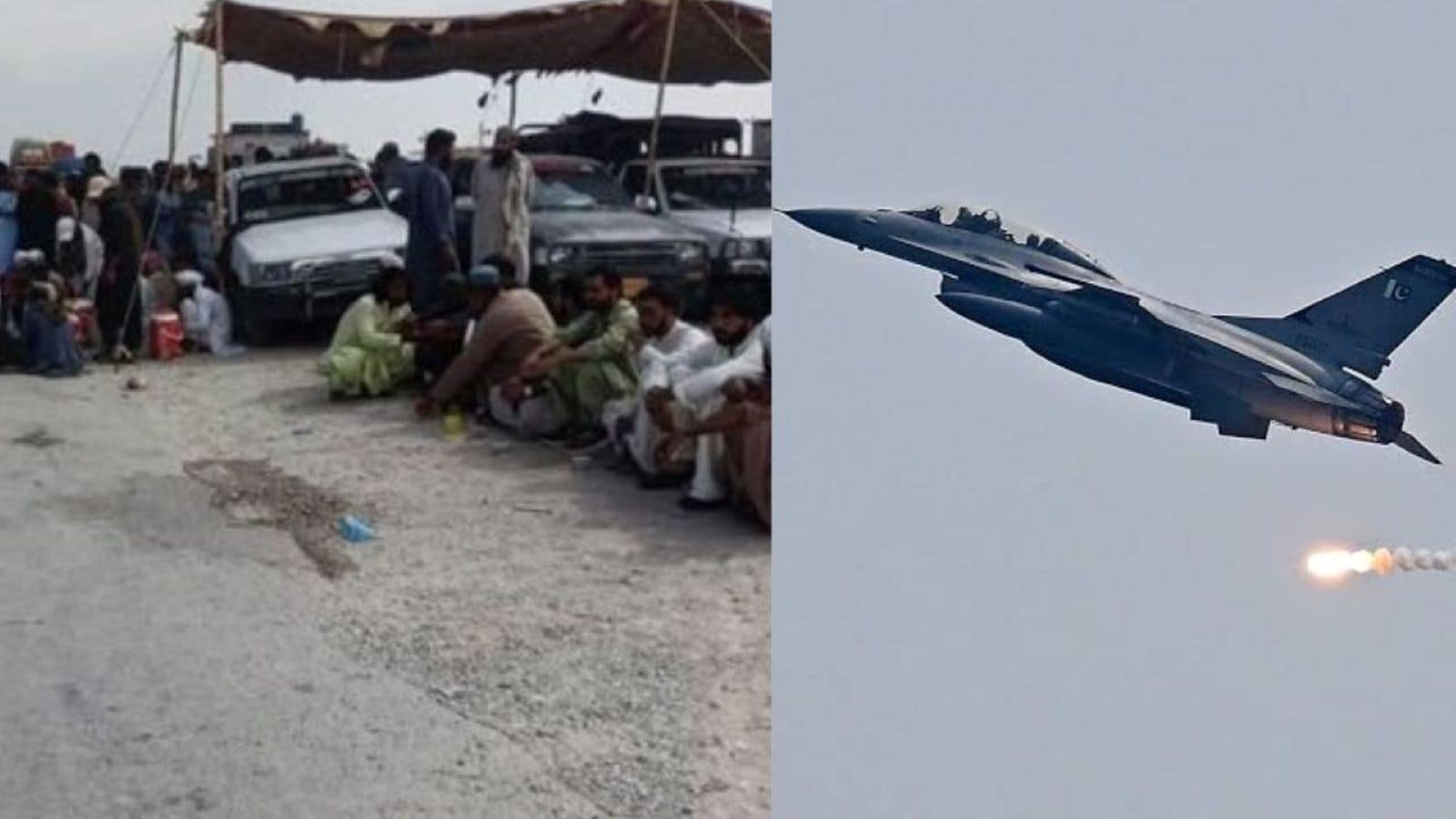
Control over the world's most critical energy chokepoint has devolved into a digital shouting match. US President Donald Trump recently took to social media to declare that Washington holds "total control" over the Strait of Hormuz, going so far as to claim the US might just keep it. He branded the American naval deployment a "Wall of Steel" and wrote off Iran's economy as entirely broken.
Tehran didn't take long to fire back. Iranian military spokespersons and officials dismissed the American statements as flat-out fabrications, insisting that the strategic waterway remains firmly under Iranian management.
Both sides are selling a convenient fiction. If you look past the bluster on Truth Social and state television, reality on the water tells a completely different story.
The Myth of Total American Ownership
Trump wants the public to believe that the US military has completely subdued the maritime gateway, turning the Persian Gulf into an American lake. Pentagon officials have backed this up by asserting that naval blockades can be sustained indefinitely through routine carrier rotations.
Yet, calling something a "Wall of Steel" doesn't mean commercial shipping is moving freely. Daily vessel transit tracking tells a starkly different story. Before the broader conflict erupted in late February, roughly one hundred thirty commercial ships passed through the narrow corridor every single day. Recent tracking data shows traffic crawling at historic lows, with daily counts dipping into single digits.
You don't have a secure, functioning trade route when tanker traffic drops by over ninety percent. Shippers aren't risking millions of dollars in cargo because Washington declared victory on the internet. They are staying away because the physical risk remains unacceptably high. Claiming total control while global energy supplies face ongoing disruption is pure political theater.
Iran's Hollow Claims of Management
On the flip side, Tehran's insistence that it dictates terms in the strait rings equally hollow. Iranian authorities claim that no commercial ship can pass without explicit permission and supervision from the Islamic Revolutionary Guard Corps. They have set up a localized bureaucratic structure demanding fees and compliance.
But managing a ghost town doesn't equal control. By choking off normal tanker movement to retaliate against Western sanctions and military pressure, Iran has severely damaged its own export-dependent revenues. An economy grappling with severe inflation and currency degradation doesn't benefit from locking down its primary lifeline to global markets.
Tehran can posture all it wants about offensive military doctrines and regional dominance, but forcing commercial shipping to a grinding halt hurts everyone, including regional producers trying to get oil to international buyers.
What the Standoff Means for Global Energy
When political leaders argue over who owns a strip of water measuring just twenty-one miles wide at its narrowest point, global markets pay the price. A fifth of the world's petroleum supply usually moves through this corridor.
When traffic drops to a trickle, energy prices spike, supply chains fracture, and alternative routes like the Red Sea face compounding security threats from proxy groups. The standoff has turned maritime navigation into a high-stakes chess match where commercial vessels are treated as pawns.
Washington cannot decree the strait open through social media posts, and Tehran cannot sustain its economic hostility without inviting total isolation. Until both capitals realize that military posturing cannot substitute for actual diplomatic resolution, the world's most vital energy corridor remains trapped in administrative limbo. Keep a close eye on independent tracking data rather than political speeches if you want to know what is actually happening on the water.