Stop looking at traditional hotel booking numbers if you want to know where people are actually going. Platform analytics tell a much truer story. Fresh numbers released by Airbnb point to British Columbia as an absolute powerhouse for travel, proving that the province's pull goes way beyond the usual downtown Vancouver hotspots.
If you glance past the generic tourism board press releases, you see a massive shift in how people experience the region. Travellers aren't just booking places to crash anymore; they are chasing specific pockets of geography, altering local economies, and driving up demand in unexpected rural corners. Let's break down what the latest data actually reveals about British Columbia's travel boom.
The Rural Shift Changing British Columbia Tourism
For years, the playbook was simple. Fly into Vancouver, grab a coffee in Gastown, head up the Sea-to-Sky Highway to Whistler, and call it a trip. That is no longer the default behavior. Recent platform insights show that domestic searches for rural stays and small towns across Canada are spiking, with British Columbia leading the charge in dramatic fashion.
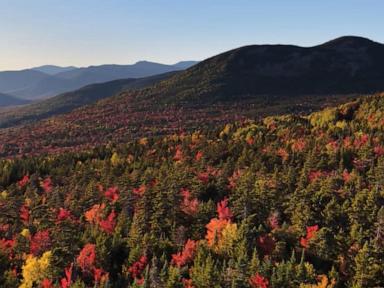
Places like Haida Gwaii and the quieter edges of the Kootenays are seeing massive jumps in interest. Why? Travelers are getting fatigued by overcrowded urban tourist strips. Gen Z explorers are driving a huge portion of this momentum, hunting down small towns framed by massive landscapes. They want rugged coastlines, mountain passes, and a quiet cabin where Wi-Fi is secondary to a view.
Families are behaving a bit differently, sticking closer to classic resort towns and lake hubs within a comfortable driving radius of major population centers. Even so, the dispersion of visitor dollars matters. When someone books an Airbnb in a remote B.C. valley instead of a massive downtown high-rise hotel, that money leaks directly into independent bakeries, local guide services, and roadside farm stands.
Seasonality and the August Peak Reality Check
Data tracking short-term rentals across British Columbia highlights a very predictable, highly condensed peak season. The busiest months run unbroken from May through September, with August routinely taking the crown as the highest-earning and most heavily booked month of the entire year.
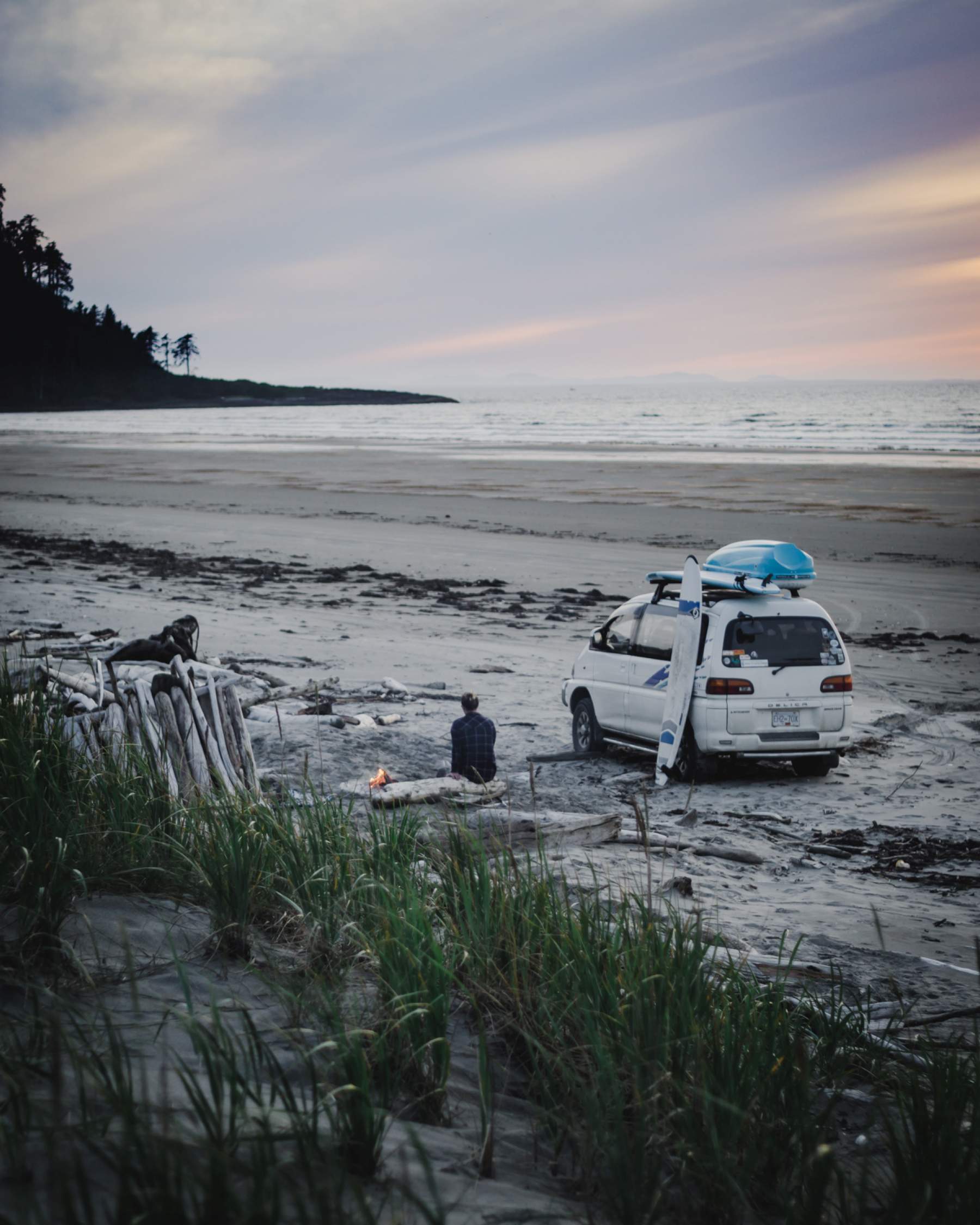
Vancouver maintains a steady year-round pulse thanks to business travel, cruise ship passengers, and international arrivals, but mountain and coastal towns experience wild swings. Take Whistler or Tofino, for instance. They operate on intense seasonal heartbeat rhythms. Winter brings the ski crowds to the peaks, while summer trades snowboards for surfboards and hiking boots.
Yet, the shoulder seasons are quietly gaining ground. Smart travelers are figuring out that visiting the Kootenays during the fall larch migration or checking out Vancouver Island when the winter storms roll in offers a completely different, less chaotic experience. Hosts are adjusting too, offering better long-stay discounts to capture remote workers who don't care what month it is as long as the coffee maker works and the view is solid.
Where the Guests Are Actually Coming From
It's easy to assume that local tourism is entirely driven by international flights, but the numbers tell a nuanced story. While global travelers from the United States, the United Kingdom, Germany, and Australia make up a heavy percentage of bookings in premier spots like Vancouver and Whistler, domestic travel acts as the backbone.
In fact, travelers from within Canada account for a substantial majority of reviews in many regional pockets. Calgary residents regularly flood into the B.C. interior for weekend lake trips, while Vancouverites pack up their cars for local island getaways.
This mix creates a unique balancing act for property owners and local municipalities. Short-term rental regulations in B.C. have tightened significantly over the last couple of years, meaning the supply side of the equation is heavily restricted. With fewer total active listings on the market compared to previous years, occupancy rates for legal, operating properties are staying remarkably high. If you own a well-managed property in a high-demand zone, you aren't fighting for scraps; the demand is compressed into a smaller pool of available inventory.
What This Means If You Are Traveling Here Soon
If you are planning a trip to British Columbia, the data carries a clear warning: stop procrastinating. Because total active short-term rental supply is down across several key Canadian markets due to regulatory changes, and demand is climbing, waiting until the last minute will cost you.
For summer travel, bookings in top-tier regions are secured months in advance. If you want a specific cabin in the interior or a character loft in the city, you need to lock it down early.
Look past the obvious tourist traps. Skip the most saturated blocks and look for properties in emerging micro-neighborhoods or adjacent rural towns. You will get a better local experience, support independent businesses that actually need the off-season revenue, and avoid the tourist gridlock that ruins half of everybody's summer vacation. Pack a rain jacket regardless of the month, respect local community guidelines, and get off the main highway. That is where the real province lives.