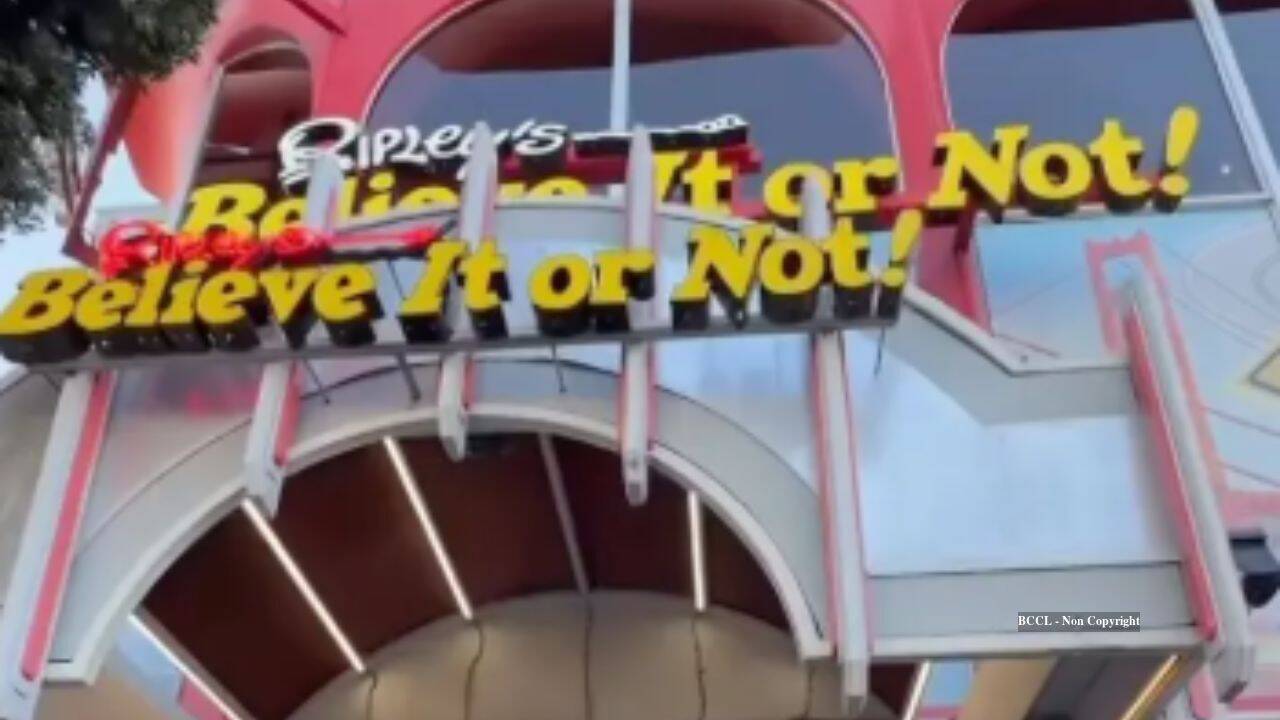
Fisherman's Wharf will never look quite the same again. After nearly six decades of anchoring San Francisco's tourist strip with shrunken heads, optical illusions, and bizarre oddities, the Ripley's Believe It or Not! museum and its famous mirror maze are shutting down for good. Fifty-nine years is a remarkably long run for any attraction in a city as restless and expensive as San Francisco. Yet, as the final countdown to the year-end closure ticks away, locals aren't just losing a weird roadside attraction; they're losing a tangible piece of old-school kitsch that survived tech booms, gentrification, and shifting consumer tastes.
If you grew up visiting the Bay Area, you probably spent at least one rainy afternoon wandering through the dimly lit galleries of the Odditorium. You stared at the matchstick models of famous landmarks, marveled at the multi-eyed taxidermy, and likely got hopelessly lost in the disorienting, neon-lit corridors of the mirror maze next door. It wasn't high art, and it certainly wasn't subtle. It was pure, unfiltered roadside entertainment packed into a prime piece of waterfront real estate.
The Real Cost of Doing Business on the Waterfront
Let's address the elephant in the room. Tourist traps don't close after 59 years simply because people suddenly stop liking weird stuff. San Francisco's commercial real estate market has transformed drastically over the past decade. Operating a sprawling physical attraction right on the Embarcadero requires massive overhead, from sky-high property taxes and soaring insurance rates to union labor costs and general maintenance on aging historic buildings.
Foot traffic patterns have shifted too. While post-pandemic tourism has crawled back to the city, the composition of visitors has changed. Convention business takes time to recover, international travel hasn't fully rebounded to peak historical baselines, and modern travelers often prioritize experiential dining, outdoor recreation, or boutique cultural spaces over traditional indoor wax and oddity museums. When you combine crushing operational expenses with fluctuating visitor demographics, the math stops working. Fifty-nine years of housing bizarre artifacts is an impressive legacy, but sentimentality doesn't pay municipal leases.
What Made the San Francisco Odditorium Unique
Plenty of cities boast a Ripley's franchise, but the San Francisco location held a distinct personality. Opened back in an era when Fisherman's Wharf was defined by working crab boats, salt-of-the-earth characters, and straightforward family entertainment, the museum grew right alongside the district's tourist boom. It didn't try to pivot into a sterile, corporate digital experience. It stayed proudly weird.
Visitors walked past the iconic giant shrunken head replica guarding the entrance and immediately stepped into a world curated by Robert Ripley’s decades-long obsession with the unusual. The curation felt old-school, featuring glass cases packed with strange medical anomalies, historical oddities, and interactive props that relied on mechanical wizardry rather than touchscreens and projection mapping. That tactile, slightly dusty authenticity is precisely what modern themed attractions lack. You couldn't replicate the specific sensory experience of walking through those narrow, creaking hallways on a foggy afternoon.
The Slow Erasure of Kitsch in Modern Cities
San Francisco has a complicated relationship with its own history. The city loves to celebrate its countercultural roots, its eccentric artists, and its historical oddities, yet the economic reality of the modern Bay Area heavily favors luxury housing, high-end retail, and tech campuses. Every time an independent landmark like the Ripley’s museum or a long-standing local diner closes, a little more of the city's rough-around-the-edges character gets sanded down.
We are watching a nationwide homogenization of tourist districts. Waterfronts from Seattle to San Diego increasingly feature the same high-end seafood chains, craft cocktail lounges, and luxury apparel boutiques. While nobody sheds a tear for corporate conglomerates, the loss of independent oddity museums hurts local flavor. These spaces gave families affordable entertainment options that didn't require a Silicon Valley salary to enjoy.
Navigating the Final Weeks Before the Doors Lock
If you're planning a sentimental pilgrimage before the final closure date at the end of the year, expect crowds. Word travels fast when a multi-decade institution announces its permanent demise. Locals and nostalgic tourists are swarming the Wharf to get one last look at the mirror maze and take photos with the iconic facade.
Park a few blocks away if you want to avoid paying extortionate garage rates right on the Wharf. Go early in the morning on a weekday if you actually want to read the placards without dodging selfie sticks. Most importantly, go with an appreciation for what these types of spaces represent. They are dying breeds in an era dominated by smartphone screens and algorithm-driven entertainment.
The physical artifacts inside the museum will likely find new homes in other Ripley's properties or private collections, but the specific institutional memory tied to that corner of Fisherman's Wharf vanishes when the lease ends. San Francisco will keep moving forward, building new towers and welcoming new industries, but the waterfront will feel a bit quieter, and a lot less strange, once the lights go out for good.