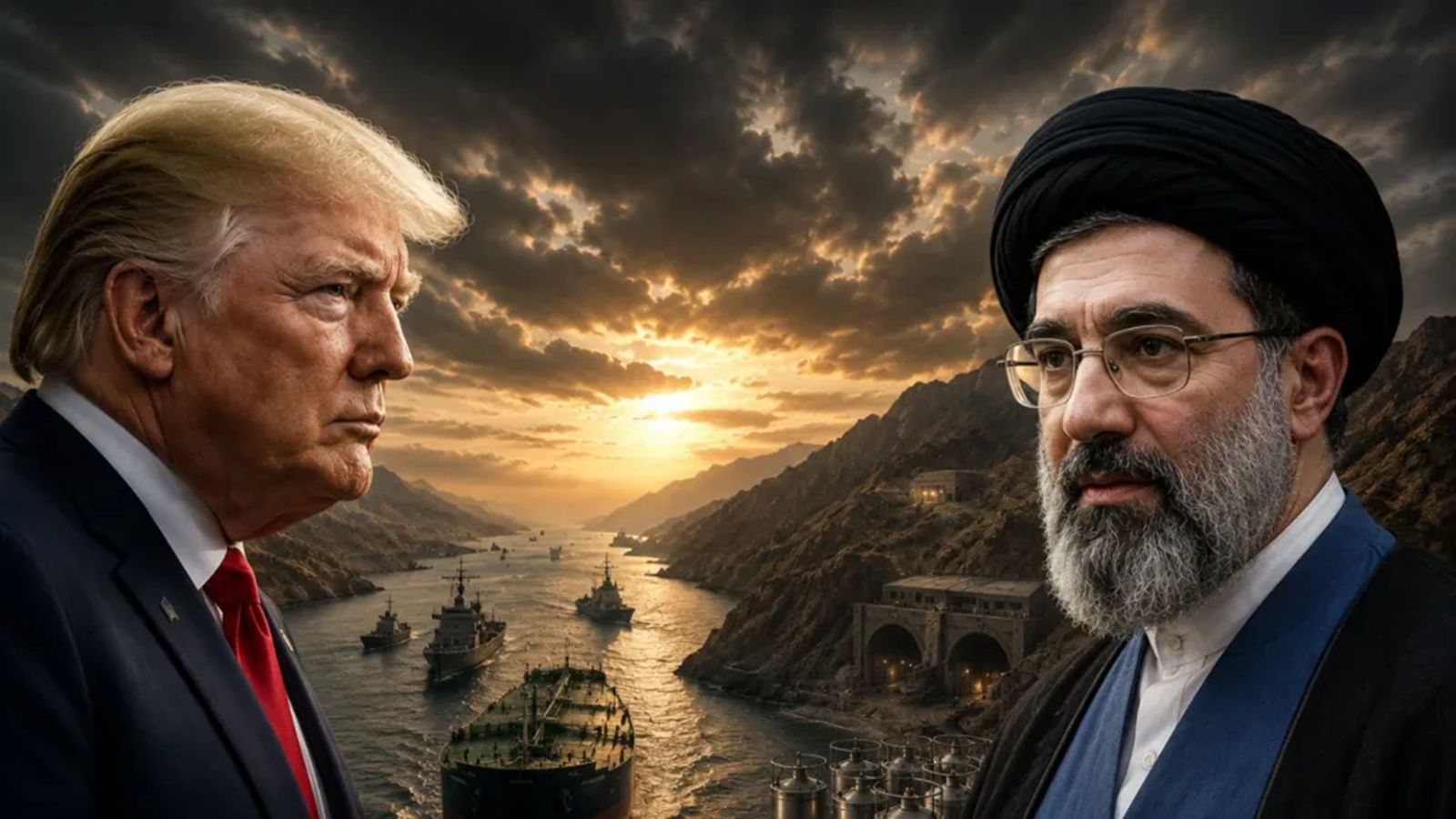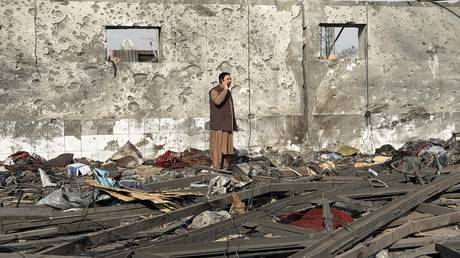
The desk in Tehran is heavy, dark, and polished to a mirror shine that catches the harsh flicker of overhead fluorescents. Around it, men in dark suits speak in low, practiced cadences, their tea cooling in small glass cups. They are discussing annihilation. Not as an abstract philosophical concept, nor as a dark punchline from a distant podium, but as an operational reality. A weather report of the worst kind.
History rarely announces its turning points with a grand trumpet blast. More often, it arrives as an exchange of translated insults bouncing across fiber-optic cables at the speed of light, stripped of nuance, inflated by ego, and weaponized for domestic consumption on opposite sides of the planet.
Consider the baseline mechanics of modern deterrence. For decades, the architecture of international relations has relied on a fragile psychological pact: you threaten the worst, I promise the same, and both of us step back from the precipice because the math of total destruction yields zero survivors. It is a grim sort of calculus. Yet, when the vocabulary shifts from strategic containment to explicit threats of total erasure, the math changes. The variables become human, impulsive, and terrifyingly fragile.
When the leader of the United States looks into a television camera or taps out a late-night digital decree warning of total destruction, the words do not land in an empty vacuum. They hit a marble floor in Tehran. They echo through the offices of the Supreme National Security Council. They are parsed by analysts who measure the inflection of every syllable, looking for the telltale signs of a bluff or the terrifying confirmation of a doctrine shift.
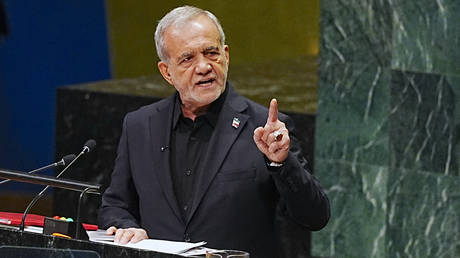
The Iranian response, delivered by the country's president in front of rows of microphones and stern-faced military brass, was not merely a diplomatic parry. It was an exercise in performative defiance designed for a domestic audience that has weathered decades of economic strangulation, sanctions, and psychological wear-and-tear.
"We do not seek war," the president said, his voice measured, devoid of panic, carrying the heavy fatigue of a nation constantly bracing for impact. "But we will answer any miscalculation with a response that will make them regret their actions."
The phrasing is ancient. It is the syntax of empires and regional heavyweights alike. But beneath the diplomatic posturing lies a dangerous reality: miscalculation is no longer a distant theoretical risk. It is a live wire.
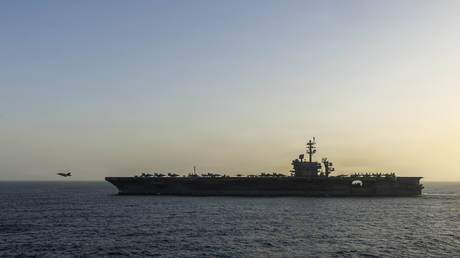
Imagine sitting in a radar station outside of Natanz or Bandar Abbas. The air conditioning hums a low, teeth-grinding vibration. The operator watches green blips crawl across a cathode-ray display. In a climate where leaders trade vows of annihilation, every shadow on the screen looks like a precursor. Every unannounced drone flight, every naval maneuver in the narrow choke point of the Strait of Hormuz, carries the potential to ignite a regional conflagration that neither Washington nor Tehran actually wants, but neither knows quite how to prevent.
This is the invisible architecture of brinkmanship. It runs on momentum. Once a threat is uttered, backing down is perceived as weakness. And in the geopolitical theater, perceived weakness is treated as an invitation for aggression.
To understand why these exchanges feel so perilous today, look at the erosion of diplomatic safety valves. Channels that once allowed back-channel communications to defuse crises before they boiled over have rusted from neglect or been shattered by mutual distrust. When direct lines of communication are replaced by public pronouncements and social media blasts, diplomacy becomes a spectator sport. The audience demands blood or victory, leaving no room for the quiet compromises that save lives.
The Iranian public watches this drama unfold with a weary cynicism born of long experience. Go to the sprawling bazaars of Isfahan or the bustling cafes of northern Tehran, and you will find a populace that is remarkably resilient, deeply cultured, and utterly exhausted by the endless cycle of geopolitical theater. Ordinary people are trying to buy bread, pay rent, and protect their savings against a collapsing currency. To them, threats of annihilation from foreign capitals are background radiation—a toxic hum they have learned to live with, even as they dread the sudden flash that might turn the background noise into reality.
When the Iranian president steps to the podium to issue his counter-threat, he is playing to two audiences simultaneously. To the international community, he is projecting strength, signaling that the regime will not buckle under economic pressure or military intimidation. To his own people, he is attempting to project control in a moment of profound uncertainty.
Yet, projecting control while walking a tightrope over an active volcano is a precarious enterprise.
The danger of modern geopolitical rhetoric is its acceleration. Words move instantly. Misinterpretations spread globally in seconds. If a military commander on either side misreads an ambiguous signal during a tense naval encounter or an air defense drill, the escalation ladder can be climbed in minutes, leaving politicians scrambling to catch up to a war they inadvertently triggered with their mouths.
We have seen this script before. We know how the first acts unfold. They are filled with posturing, fiery rhetoric, and calculated displays of resolve. But the final acts are notoriously difficult to script once the machinery of war begins to move under its own momentum.
The desk in Tehran remains polished. The tea grows cold. The cameras click and flash, capturing the stoic faces of men who hold millions of lives in their unsteady hands. Somewhere across the ocean, another desk sits under bright lights, another leader contemplates the next tweet, the next warning, the next escalation.
The distance between them is measured in thousands of miles of ocean and desert. Yet, in the theater of modern annihilation, they are standing close enough to smell the smoke.